Balancing Ocean Horizons Against Bayfront Sunsets: The Financial, Light, and Lifestyle Differences That Most Realtors Overlook
Is the perfect water view that of the endless Atlantic Ocean or a golden sunset over Biscayne Bay? If you are weighing an oceanfront condo in Bal Harbour or Surfside against a bayfront residence in Bay Harbor Islands, you are not alone. The decision shapes your daily light, comfort, boating access, maintenance, and long‑term value. This guide breaks down the real differences so you can choose the orientation that fits your lifestyle and objectives.
Oceanfront vs. Bayfront at a Glance
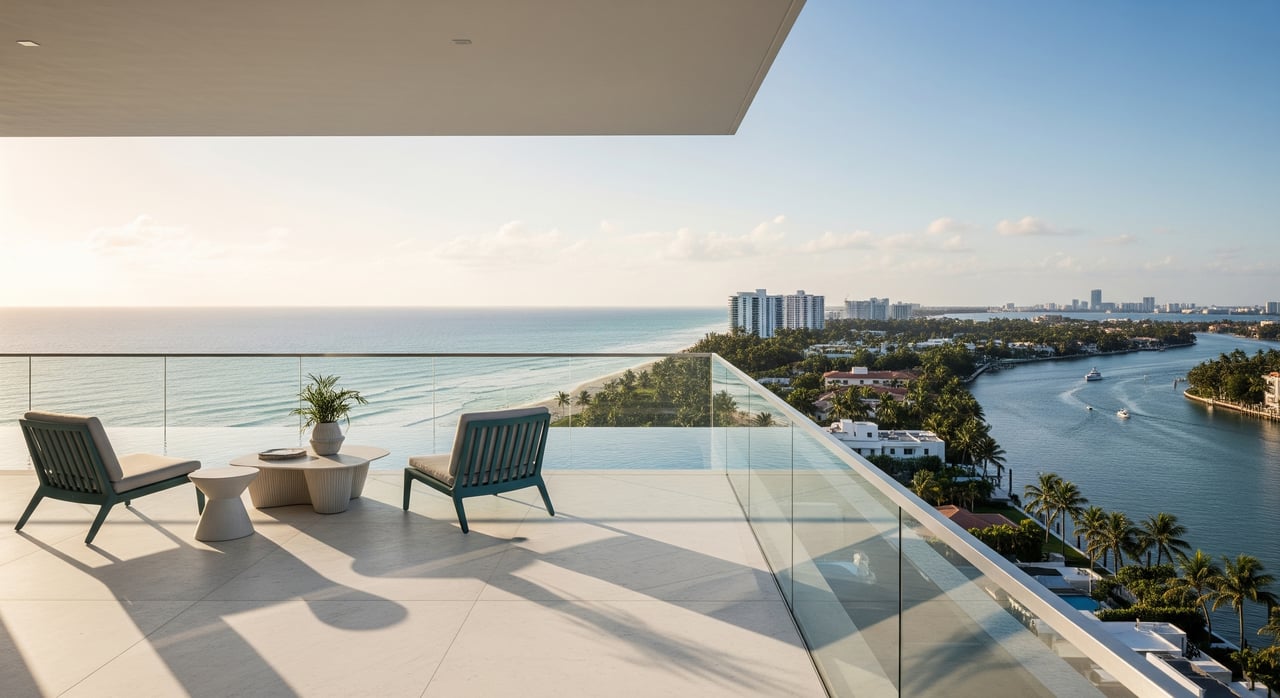
- Views and Light: Oceanfront delivers a wide Atlantic horizon, sunrises, and iconic beach vistas. Bayfront focuses on Biscayne Bay, local skylines, vibrant sunsets, and active boating scenes.
- Sun and Thermal Comfort: Oceanfront units get strong morning sun, steady sea breezes, and cooler afternoons. Bayfront units encounter warmer afternoons, higher late‑day cooling loads, and dynamic city lightscapes at night.
- Lifestyle: Oceanfront offers direct beach access, boardwalk usage, and proximity to deep-water inlets. Bayfront boasts potential slip dockage, protected kayak/paddle routes, and family-oriented walkability.
- Noise Profile: Oceanfront features the natural drone of surf conditions alongside potential Collins Avenue transit. Bayfront is subject to localized wake, marina traffic, and school zone activity depending on the island segment.
- Upkeep and Infrastructure: Oceanfront requires mitigation against aggressive salt spray and open wind loads. Bayfront is sheltered from heavy wave actions but remains vulnerable to back-bay tides and street flooding.
- Resale and Liquidity: Oceanfront commands broad international trophy premiums across massive resort towers. Bayfront captures niche domestic appeal for active boating families, especially when bundled with deeded dock assets.
Views and Daily Light Dynamics
Oceanfront Horizons
If you want the classic Miami experience, oceanfront delivers. You wake to sunrise over the Atlantic and a wide, uninterrupted horizon. The morning light feels bright and energizing, and late afternoons tend to run cooler as the building structures block the westward sun.
Bayfront Panoramas
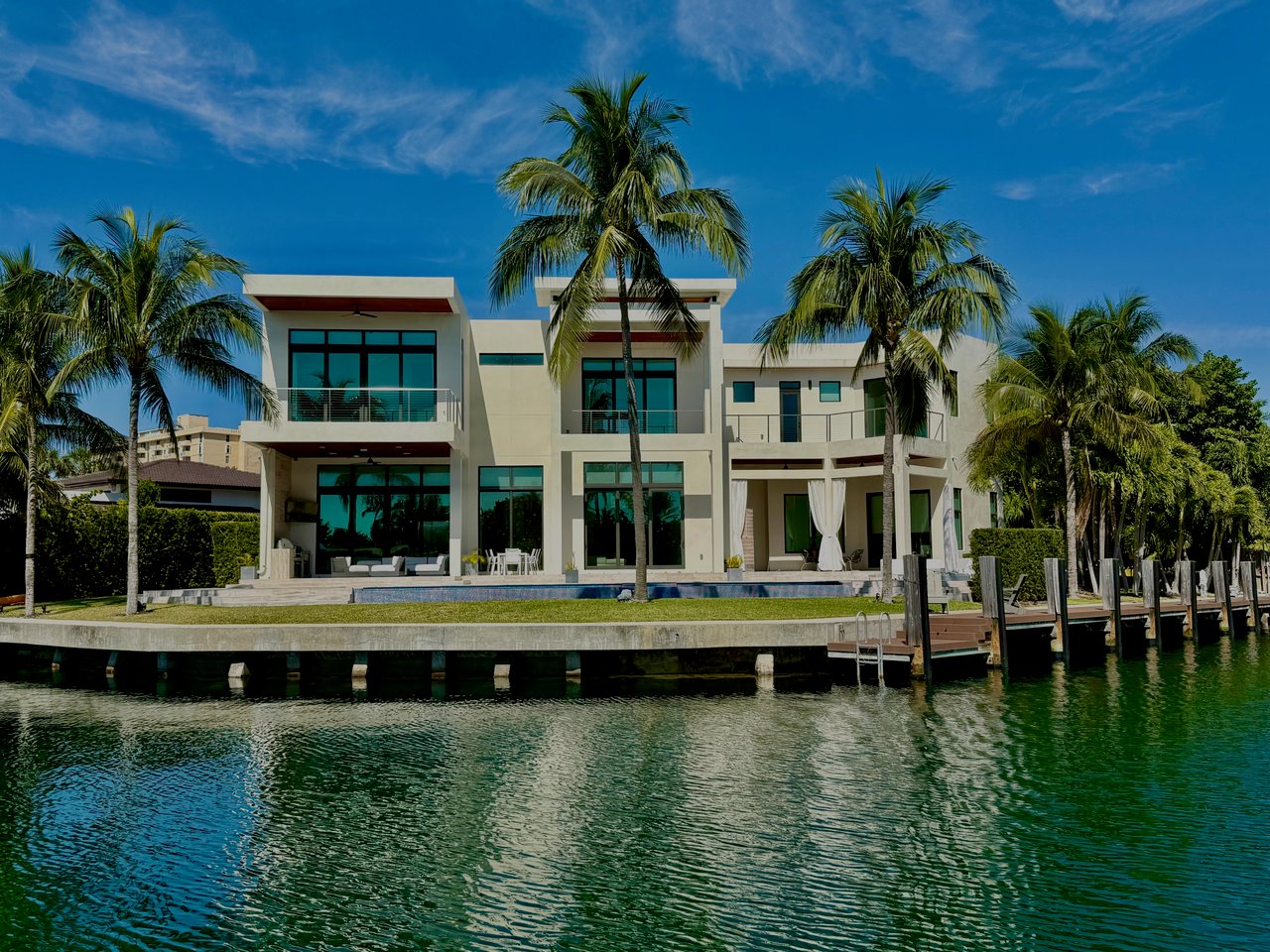
Bayfront living is about sunsets and a dynamic, intimate panorama. You see boats, natural keys, and the city skyline depending on your height and position. Expect stronger afternoon sun and warmer interiors later in the day, which can heavily influence your preferences for high-performance shading and custom window treatments.
Wind, Thermal Loads, and Balcony Comfort
Prevailing summer breezes typically arrive from the east and southeast. Oceanfront balconies enjoy a steady, cooling airflow straight off the ocean. Bayfront buildings can feel more sheltered, though wind can funnel aggressively around towers based on local placement. For energy consumption, oceanfront units may need less late‑day cooling, while bayfront residences often encounter higher afternoon air‑conditioning demands.
Beach vs. Boating Lifestyle Parameters
Oceanfront Parameters
- Direct sand access, exceptional boardwalks for running or walking, oceanfront pools, and private beach clubs.
- Resort-caliber hospitality, concierge programming, and seamless estate maintenance.
- Convenient proximity to Bill Bird Marina for large yacht berthage and Haulover Marine Center for protected dry-stack storage of sport boats.
Bayfront Parameters
- Direct opportunities for on‑site private slips and private yacht dockage.
- Protected, calm waters for paddleboarding and immediate recreational water craft departures.
- Frictionless cruising on the Intracoastal Waterway with lightning-fast access to Haulover Inlet.
Captain’s Field Intel: Always verify whether a condo boat slip is separately deeded, classified as a limited common element, or managed via separate association leases. Be aware that in most cases the use of a dock space within a condominium is strictly restricted to residents only. Deeded marine rights are always more marketable and valuable.
Maintenance and Condo Building Systems
Salt and Structural Corrosion
Salt air affects both orientations. Oceanfront residences typically face stronger salt spray and direct wind exposure, which can accelerate corrosion on railings, window gaskets, and mechanical HVAC installations. Expect more frequent exterior washdowns and look for buildings utilizing marine-grade structural materials.
HOA Reserves and Senate Bill 4-D Compliance
Review the condominium association's reserve studies to see how structural wear is budgeted. Check the building’s Milestone Inspection and Structural Integrity Reserve Study (SIRS) status, recent engineering reports, and historical records for concrete restoration, balcony waterproofing, roofing, and impact glass upgrades.
Flooding, Storm Surge, and Insurance Profiles
Risk Vectors
Neither orientation is immune to storms. Oceanfront buildings meet direct wave action, beach erosion, and open Atlantic storm surge. Bayfront properties can be vulnerable to back‑bay tidal flooding, stormwater ponding, and king-tide surge effects. Building base elevations, dune preservation, and perimeter seawall armor systems are what insulate the asset.
Sea Level Resilience
Miami‑Dade is experiencing more frequent king tides and nuisance street flooding. Elevation certificates, FEMA flood zone designations, and municipal stormwater infrastructure documents help you assess long‑term exposure and mechanical resilience measures at the building level.
Insurance Mitigation
Master flood and commercial windstorm insurance costs vary drastically based on finished floor elevations, impact mitigation features, and association deductibles. Always review the building’s historical premium trajectories before executing a transaction.
Resale, Liquidity, and Rental Governance
Valuation Drivers
Unobstructed views and higher floors in newer construction buildings with full resort amenities command the highest premium ceilings. Service tiers, architectural pedigree, brand affiliation, and management standards dictate pricing momentum. Capital liquidity depends on HOA financial health, fully funded reserves, and strict assessment disclosures.
Buyer Pool Dynamics
Oceanfront trophy units attract broad, global liquidity from international lifestyle buyers who prioritize location branding and resort services. Bayfront residences draw a highly focused domestic audience of active boat owners and families prioritizing immediate water access.
Rental Restrictions
Leasing potential relies entirely on explicit HOA declarations and municipal ordinances. Many ultra-luxury buildings limit leasing frequency or enforce strict minimum terms. Always audit these bylaws before modeling prospective investment yields.
Smart Due Diligence Checklist
- Association Declarations: Declaration of Condominium, bylaws, rules and regulations, parking title, rental parameters, and pet limits.
- Financial Audits: Current operating budgets, Structural Integrity Reserve Studies (SIRS), audited year-end financials, and historical assessment records.
- Board Meeting History: Minutes from the preceding 12–24 months to uncover pending capital improvements or structural controversies.
- Engineering Documents: Milestone Inspection reports, elevation certificates, and window/balcony warranty records.
- Marine Titles: Deeded vs. leased slips, depth chart parameters, and storm evacuation protocols for the dock space.
Which Orientation Fits Your Objectives?
Choose oceanfront if you value uninterrupted sunrises, shaded afternoon balconies, and direct sand access. The global prestige and resort-lifestyle infrastructure align perfectly with a beachfront profile. Prioritize structural integrity and an association backed by impeccable cash reserves.
Choose bayfront if sunset color palettes, city skyline views, and active yachting access define your routine. Thoroughly audit slip boundaries, low-tide draft charts, and association dock governance before finalizing your acquisition.
The Captain’s Advantage: Technical Asset Due Diligence
Condominium amenities attract interest, but association financial reserves, building engineering profiles, and deeded marine logistics dictate absolute asset liquidity. Standard real estate salespeople look at view corridors—mariners calculate infrastructure risks.
Leveraging over 25 years of local maritime command and luxury transaction execution, I provide the precise site intelligence, structural assessments, and maritime compliance vetting required to isolate your luxury capital from risk. Protect your interests from day one with a technical real estate audit.
FAQs
Which orientation stays cooler in summer?
- East‑facing oceanfront condos often feel cooler late in the day due to morning sun paths and prevailing sea breezes, while west‑facing bayfront units tend to run warmer in the mid to late afternoon.
Is one side safer during hurricanes?
- Neither orientation is immune; oceanfront faces direct Atlantic wave action, while bayfront can see surge and back‑bay flooding, so evaluate finished floor elevations and building hardening measures.
Do most Bay Harbor condos include private docks or slips?
- No; availability varies widely by property, with some deeded, some leased, and others relying on nearby marinas, so always confirm explicit ownership and transferability rules before closing.
What non‑view factors should I prioritize when buying?
- Focus on HOA financial strength, Milestone Inspection compliance, master insurance premium trajectories, rental rules, pet policies, and any embedded marina or slip agreements that affect usage and valuation.