Navigating Chapter 720 Governance, Special Taxing Districts, and Tidal Draft Thresholds: The Technical Reality of Upper East Side Waterfront Assets
Looking for major privacy, calm streets, deep water, and quick access to Biscayne Bay? If Bay Point on Miami’s Upper East Side is on your radar, you’re likely weighing how guard-gated living and private roads fit your lifestyle. You want a home that balances security perceptions with smooth daily logistics and seamless boating. This guide breaks down how gates, governance, dock rights, and flood and insurance realities actually play out so you can buy with confidence.
Why Bay Point Appeals to Boaters and Families
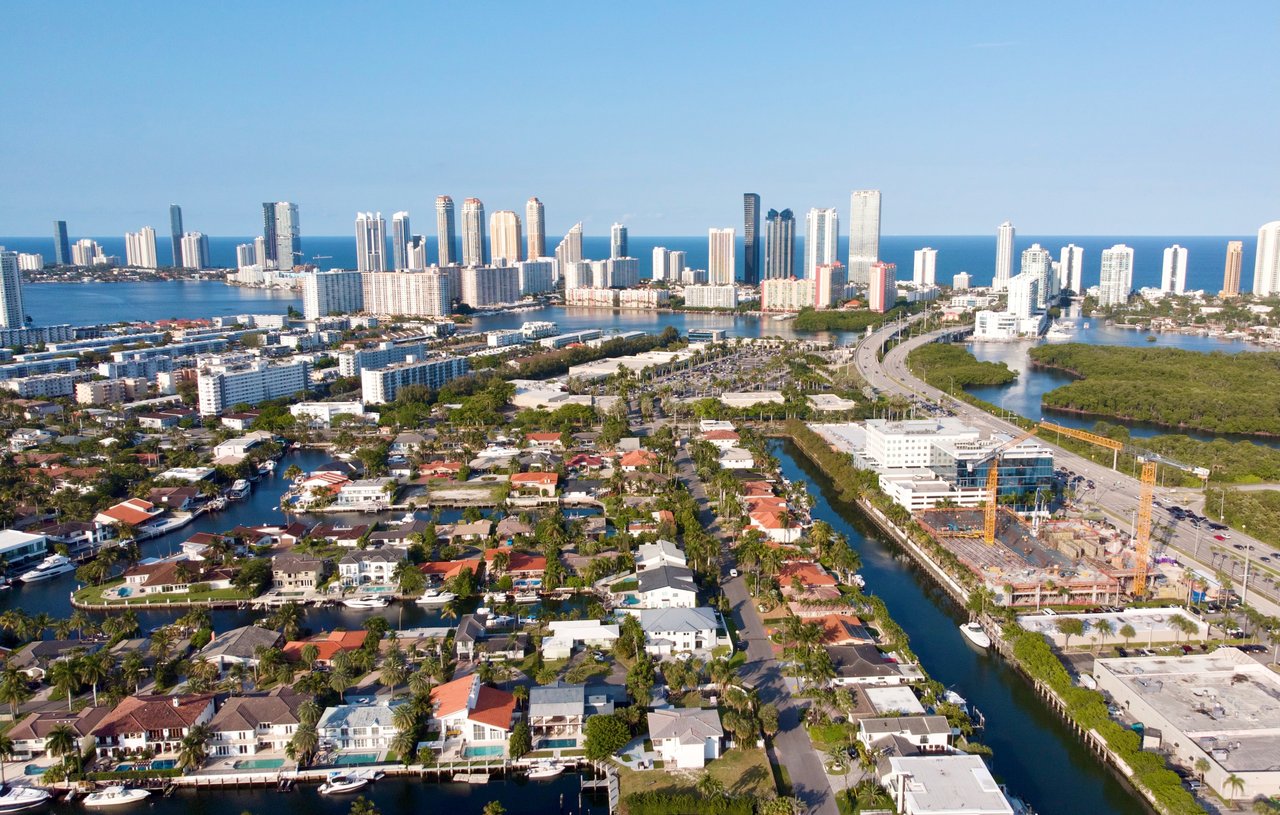
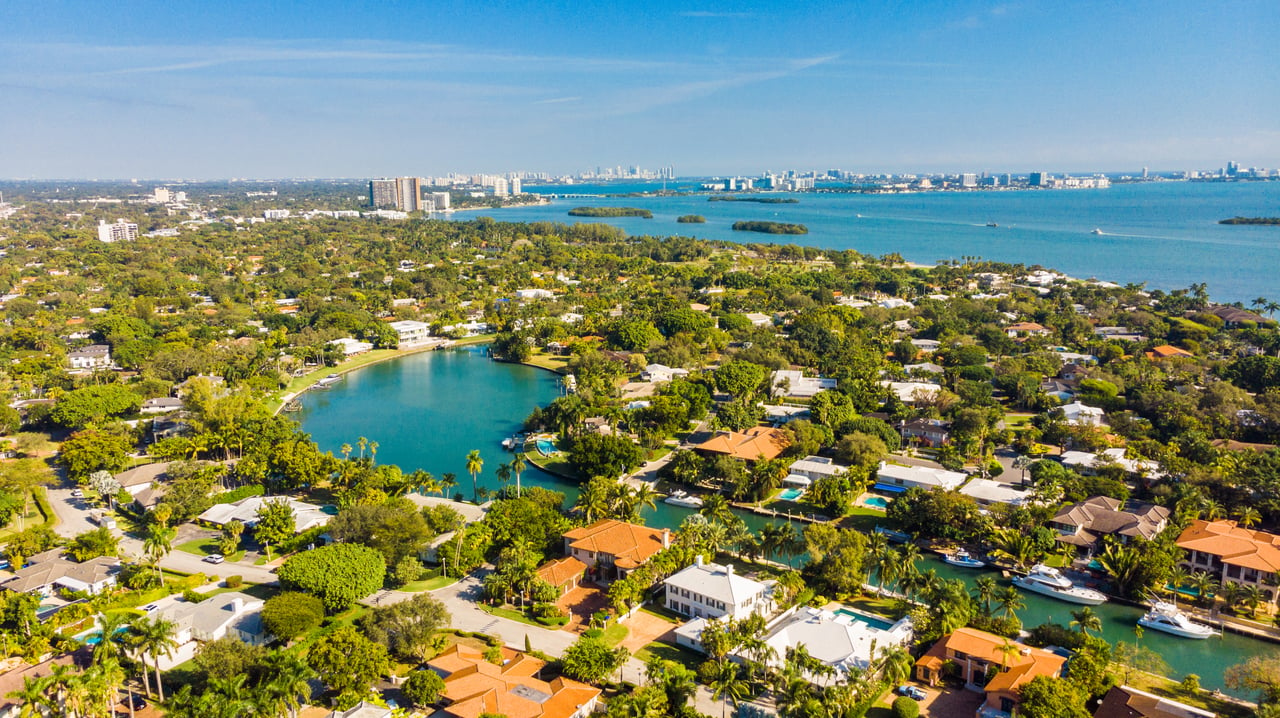
Bay Point is an exclusive bayfront residential enclave on Miami’s Upper East Side, with many homes oriented toward Biscayne Bay with private or shared waterfront access. The community consists of approximately 250 single-family homes built in the 1940s and 50s, and the average lot size is over 13,000 square feet. You are close to central Miami employment hubs, Miami International Airport, the luxury shopping within the Design District, the Wynwood arts corridor, and key north–south arteries like I-95 and Biscayne Boulevard.
If you value low traffic, privacy, security, and boating, the neighborhood’s guard-gated setup and private roads can be a strong fit. The tradeoff is that daily life follows association rules, and access for guests and vendors is controlled. Understanding those mechanics helps you decide if the lifestyle matches your goals.
How Guard-Gated Access and Association Infrastructure Works
Governance and Private Roads
Gated neighborhoods operate under the authority of a homeowners’ or property owners’ association. In Florida, HOAs are primarily guided by Florida Statutes Chapter 720, which sets out owner rights, association duties, and rulemaking parameters. Because Bay Point’s roads are entirely private, they are maintained directly by the association, which also sets policies for security gates, landscaping, and common areas.
Some Miami-Dade neighborhoods use special taxing or service districts for certain public services or road work. If that applies to a specific parcel, you will see it in title documents and county records, including any non-ad valorem assessments in the annual property tax bill. Always review recorded covenants, plats, HOA documents, and budget documents to confirm who maintains roads and what the cost-sharing looks like.
Captain’s Gate Intel: The main entrance gate maintains strict procedures for guests and vendors. Emergency vehicle access is legally protected via emergency strobe entry devices in coordination with Miami-Dade Fire Rescue. However, private road rules strictly govern street parking, delivery hours, and guest permit mandates. Review current association declarations to map your operational preferences before making an offer.
Gate Operations and Visitors
The main entrance gate is staffed and maintains strict procedures for guests and vendors. Expect policies for hours of staffed operation, guest lists, delivery access, and ride-share entry. These rules help limit uninvited traffic but can slow down drop-offs, contractor arrivals, and spontaneous visits.
Emergency access is preserved by design. Miami-Dade and local fire departments require unimpeded entry for first responders. Many gated communities use emergency entry devices and provide access codes in coordination with public safety agencies. For local protocols, review guidance from Miami-Dade Fire Rescue and your association’s emergency procedures.
Parking and Guest Access Rules
Guest parking is governed strictly by association rules. Some gated neighborhoods limit on-street parking entirely or require specialized guest permits. Ask about time-of-day restrictions, towing policies, and how events or frequent visitors are managed so you can plan ahead with complete clarity.
Utilities and Municipal Services
Water, sewer, trash removal, and electricity are provided by public or investor-owned utilities. Private roads can affect how trash is collected, the location of bins, and pickup frequency. Check with your association and county solid-waste division to confirm the current practice for your block.
Title, Easements, and Waterfront Rights
Even behind security gates, you may find public utility or drainage easements running through private property boundaries. Order a current survey and title commitment, and request the association’s declarations and rules. Waterfront owners enjoy specific riparian rights, but any dock or seawall work must follow permitting by the Florida Department of Environmental Protection and federal review by the U.S. Army Corps of Engineers. These agencies directly govern dock size, piling configurations, and construction timing.
Boating and Maritime Access from Bay Point
Dock Ownership and Riparian Parameters
Waterfront parcels feature private, deeded docks or specific riparian allocations. Never assume a property carries automatic building rights for large vessels. Review past permits, as-built plans, and inspection records for docks and seawalls during due diligence. Even if you do not currently operate a vessel, get familiar with Florida's riparian rights, as they dictate a massive share of your property's resale equity.
Captain’s Navigation Intel: Certain waterfront configurations inside Bay Point open up into shallow flats at lower tides, which can restrict the draft and beam profile of your yacht. Always cross-reference your vessel specifications against NOAA nautical charts and obtain low-tide soundings from a marine contractor before relying on a private dock footprint.
Biscayne Bay Environmental Compliance
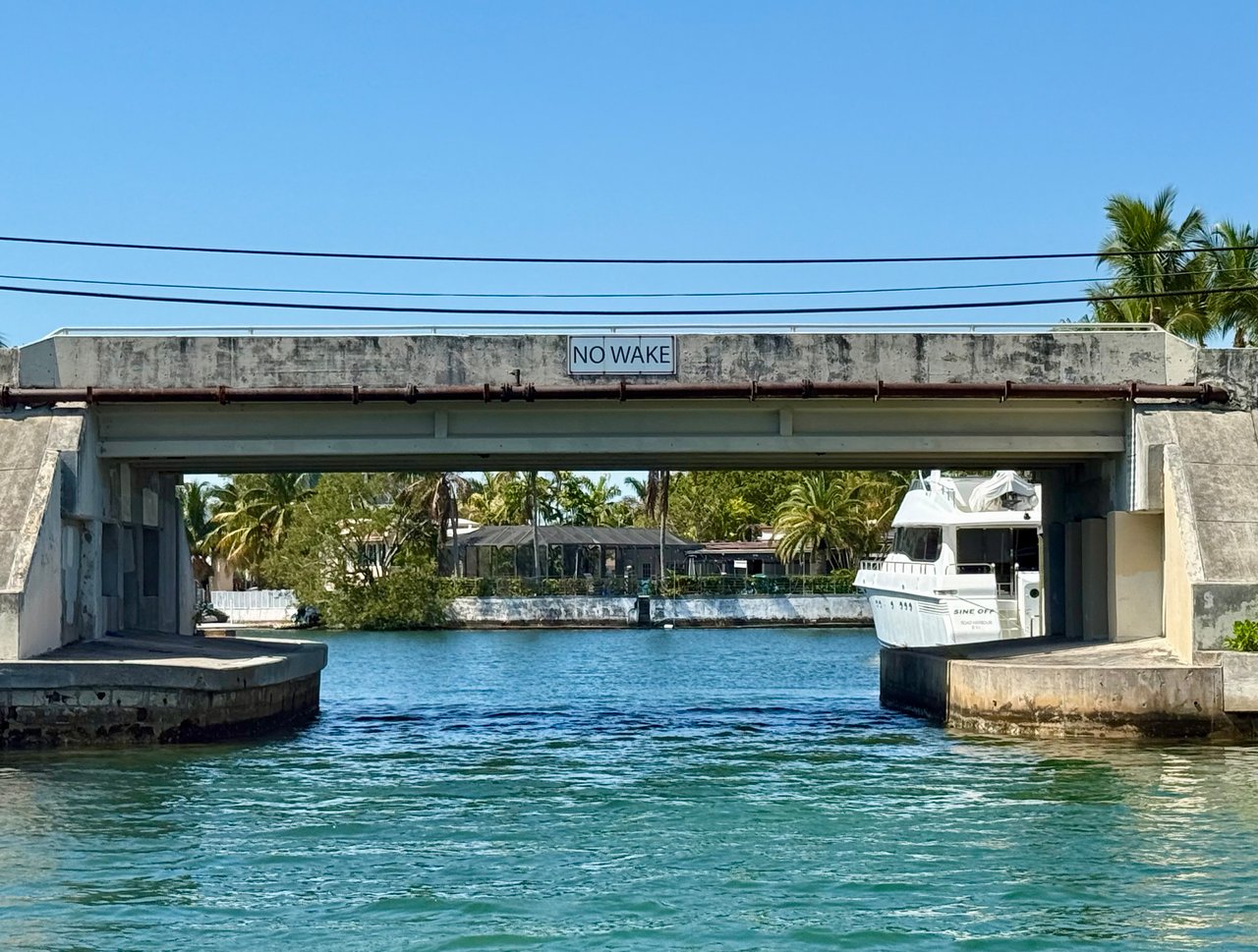
Biscayne Bay includes protected seagrass and aquatic preserve zones, plus speed and idle areas. You must follow state boating and conservation regulations. Review current rules with the Florida Fish and Wildlife Conservation Commission before you operate. Environmental protections can limit dredging, dock design, and anchoring practices.
Risk, Coastal Resilience, and Insurance Budgets
Flood Zones and Sea-Level Mitigation
Biscayne Bay neighborhoods experience tidal or nuisance flooding during King Tide cycles, and Miami-Dade is among the most exposed regions to long-term sea-level rise. Check FEMA flood maps to identify zones like AE or VE, and obtain an elevation certificate if available. Start with the FEMA Flood Map Service Center to understand base flood elevation and potential insurance requirements.
To visualize future scenarios, use the NOAA Sea Level Rise Viewer. Building elevation, foundation type, and seawall condition all influence vulnerability. The Florida Building Code and local amendments also set flood-resistant standards for new construction and certain retrofits.
Insurance Basics for Waterfront Homes
If the property is in a Special Flood Hazard Area and you carry a mortgage, flood insurance is typically required. Premiums depend on many factors, including zone, elevation, building age, and features under FEMA's Risk Rating 2.0 underwriting. Wind and windstorm coverage is a separate line that can be significant in Miami-Dade. Discuss sample quotes early and review options under the National Flood Insurance Program and private markets.
Seawalls, Docks, and Upkeep Responsibility
Seawalls and docks often sit entirely on the owner’s side of structural responsibility unless an association explicitly controls shared structures. Repair and replacement can be major capital expenses, so verify complete inspection histories, prior permits, and structural reserve planning if the association maintains any common waterfront line. For new work or modifications, confirm permit pathways with county departments and state or federal agencies.
Smart Due Diligence Sequence for Bay Point
Before you make an offer, gather documents and verify site conditions. This keeps surprises to a minimum and helps you compare options with clarity.
What to Request and Review
- HOA Document Books: Request complete declarations, covenants, bylaws, rules and regulations, recent meeting minutes, current budgets, year-to-date financial statements, reserve studies, and disclosures on any pending litigation.
- Gate Policy Details: Review operational hours, guest clearance procedures, vendor and delivery rules, staffing levels, camera networks, and emergency access mechanisms.
- Recorded Plats and Easements: Trace clear lines on a certified title commitment, backed by a current boundary and topographic survey.
- Elevation Certificates: Order a recent survey and elevation mapping to accurately calculate your real insurance premium ratings.
- Marine Permits: Review dock and seawall engineering permits, as-built plans, and official statements outlining exact bulkhead ownership.
- Utility Layouts: Confirm service arrangements for trash collection, internet and cable infrastructure, and any private utility lines running through the plot.
- Insurance Portfolio Review: Analyze comprehensive property, windstorm, and flood quotes complete with detailed historical claims records.
Quick Pre-Offer Checklist
- Walk the physical seawall face at low and high tide to observe conditions and current wave action.
- Confirm navigable depth from the property to the nearest deep-water channel for your vessel draft.
- Pull preliminary flood and elevation data, and price out flood and windstorm coverage windows.
- Request information on planned community capital projects for roads, drainage, or gate systems that could trigger special assessments.
Is Bay Point a Fit for You?
If you value privacy, controlled access, quiet streets, and boating at your back door with quick access to Biscayne Bay, Bay Point’s model can be a strong lifestyle match. Families may appreciate fewer pass-through cars and predictable visitor procedures. Executives may value privacy and the ability to reach Miami International Airport and central Miami quickly from a secure base.
The Captain’s Advantage: Marine Infrastructure Engineering Due Diligence
Vessel dimensions, low-tide channel drafts, and dock infrastructure dictate your waterfront property liquidity far more than standard aesthetics. Traditional residential agents look at square footage—mariners calculate margins of safety.
Backed by over 25 years of active maritime command and luxury property execution, I secure the technical data regarding channel clearances, riparian setbacks, and seawall compliance required to isolate your capital from risk. Protect your interests from day one with an unassailable asset profile.
FAQs
What is guard-gated living in Bay Point?
- It is a private residential setup where the roads are privately owned and maintained by the community association, with neighborhood access strictly monitored 24/7 by staffed security gates.
How long does it take to access the ocean from Bay Point?
- Because Bay Point is centrally located on Miami's Upper East Side, you can clear the Julia Tuttle Causeway and run south to Government Cut in approximately 35 to 45 minutes, or head north to Haulover Inlet in 40 to 50 minutes under standard idle limits.
How do emergency services access a gated community in Miami-Dade?
- Communities coordinate directly with first responders, utilizing specialized automated entry sensors or dedicated master overrides to ensure gates never impede emergency vehicles, consistent with Miami-Dade Fire Rescue protocols.
What permits are required to build or modify a dock on Biscayne Bay?
- Dock and bulkhead work requires concurrent approvals across local municipal building departments, Miami-Dade DERM, the Florida Department of Environmental Protection, and the U.S. Army Corps of Engineers.
How do I check flood risk for a Bay Point property?
- Cross-reference the address details inside the FEMA Flood Map Service Center and request a certified elevation certificate to analyze exact base flood metrics and underwriting premium variables.
Are there special boating rules in Biscayne Bay near Bay Point?
- Yes. Expect idle or no-wake areas, seagrass protections, and conservation rules enforced by the Florida Fish and Wildlife Conservation Commission. Consult NOAA nautical charts for channels and depth mapping.
Do gates slow deliveries and guest visits in Bay Point?
- Generally, yes. You must prepare for guest pre-approval parameters, commercial vendor passes, and explicit carrier delivery drop-off routines which can layer time delays upon arrival windows during peak operational hours.