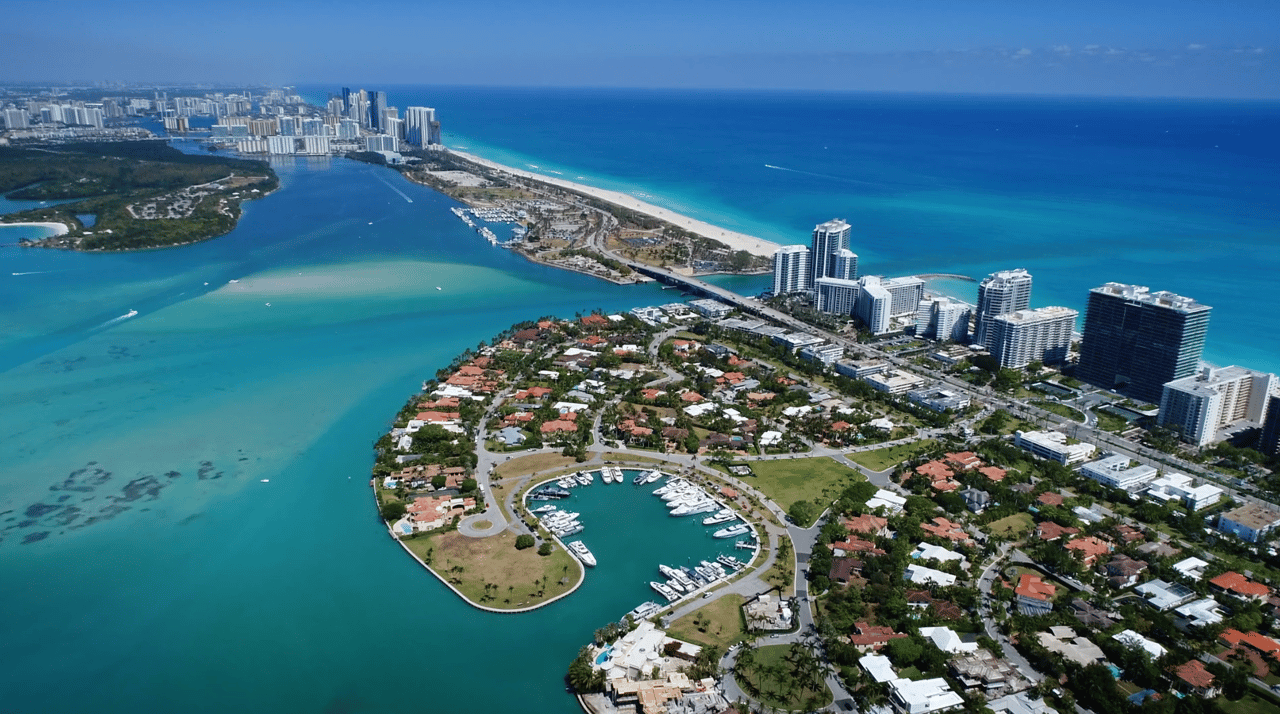
If you are eyeing a value-add waterfront home in Eastern Shores, it is easy to focus on finishes first and water conditions second. In this neighborhood, that approach can get expensive fast. The better play is usually to evaluate the house, lot, and waterfront infrastructure together so you know where the real upside lives. Let’s dive in.
Why Eastern Shores value-add is different
Eastern Shores is a guard-controlled waterfront neighborhood in North Miami Beach, and that matters when you assess future potential. The city references resident guardhouse passes and decals, along with ongoing neighborhood improvements such as sidewalks, lighting, medians, and intersection upgrades east of 35th Avenue, which points to a managed and infrastructure-sensitive setting rather than a wide-open redevelopment area. You can review the city’s Eastern Shores overview on the North Miami Beach neighborhood page.
Just as important, the city’s planning framework is cautious about adding density in Eastern Shores. Its comprehensive plan says plan amendments or rezonings that would increase population density here should generally be denied unless there are extremely compelling reasons, largely due to hurricane evacuation concerns. In plain terms, the strongest value-add opportunities are typically renovation-plus-waterfront-infrastructure plays, not density plays.
That aligns with the neighborhood’s housing profile. Research points to a median construction year of 1980, which suggests many homes come from an older stock where layout updates, systems upgrades, dock work, and shoreline improvements may shape value more than cosmetic changes alone.
Start with the parcel, not the paint
One of the biggest mistakes buyers make in Eastern Shores is assuming every waterfront lot works the same way. Public listing examples show lot sizes ranging from roughly 8,700 to 9,400 square feet, with larger parcels around 11,400 square feet and oversized or assemblage sites near 23,790 square feet. That spread is meaningful because lot dimensions can affect everything from outdoor design to dock configuration.
Canal conditions also vary by address. Listing metadata uses canal-width bands of 1 to 80 feet, 81 to 120 feet, and 121+ feet, which is a strong clue that canal frontage is not standardized across the neighborhood. A property with a wider canal, better turning room, or more usable bulkhead frontage may offer a very different boating experience and value profile than a nearby home with similar interior square footage.
One sample Eastern Shores listing advertised 90 linear feet along the bulkhead seawall and suitability for up to an 80-foot boat. That does not make those figures typical for the neighborhood, but it does show why dock length and vessel fit can materially change value. Before you underwrite any upside, verify the survey, water depth, bridge clearance, and riparian lines for the specific address.
Waterfront infrastructure often decides the deal
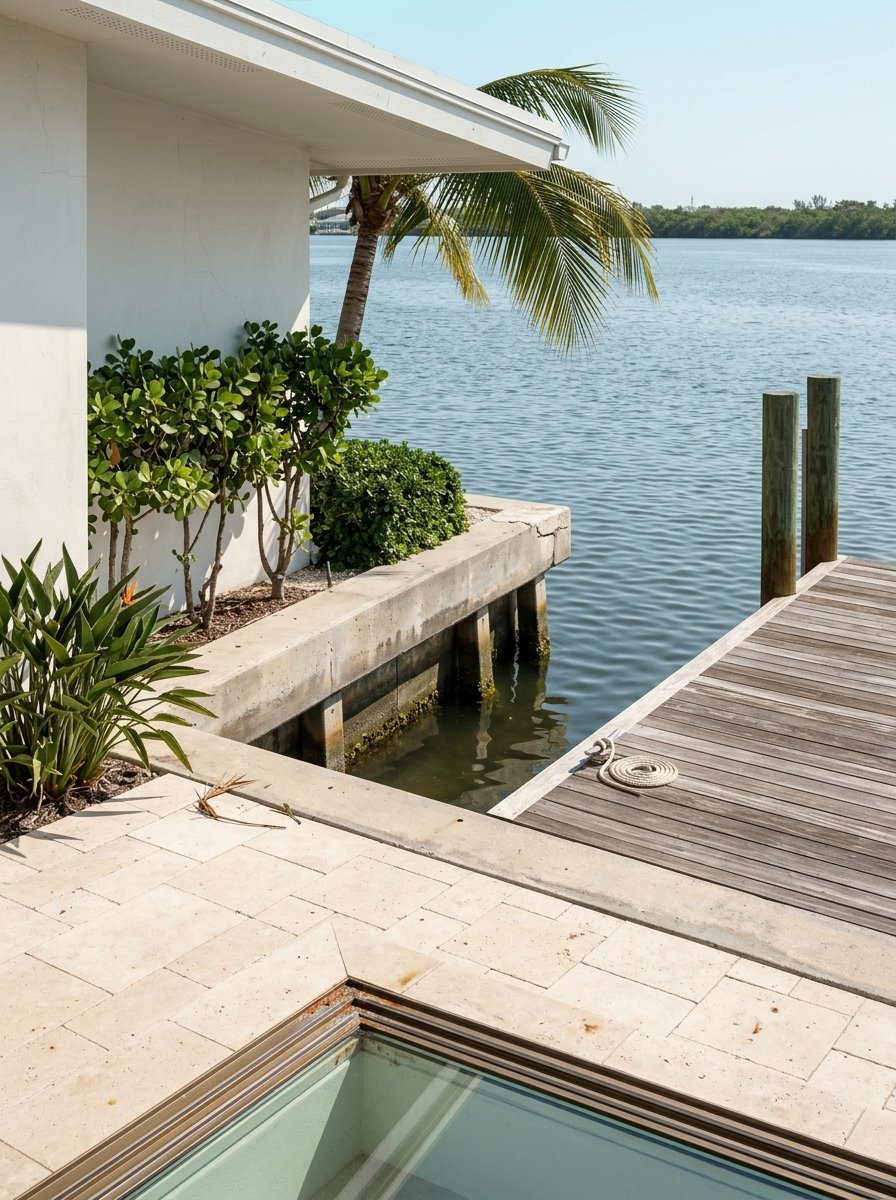
In many markets, buyers can renovate a kitchen and quickly move the needle. In Eastern Shores, the bigger gatekeepers are often the seawall, dock, shoreline conditions, and drainage context.
North Miami Beach’s comprehensive plan states that seawalls shall continue to be the required shoreline stabilization method for residential areas in Eastern Shores. The same plan calls for careful review of waterfront sites to protect drainage, estuary, and wildlife resources. You can see those broader policy considerations in the North Miami Beach Comprehensive Plan.
That matters because the surrounding canals and estuarine water bodies are part of the area’s natural drainage system. So when you evaluate a property, you are not only looking at aesthetics or boat access. You are also looking at how shoreline improvements, drainage, and permitting may affect budget, timing, and feasibility.
Understand dock rules before pricing upside
Dock value is real, but so are dock limits. According to the Florida Department of Environmental Protection, a single-family waterfront residence may have one private dock designed to moor no more than two boats, with a maximum 4-foot access walkway and a 160-square-foot terminal platform. In canals and outside Outstanding Florida Waters, exempt docks can be up to 1,000 square feet of over-water surface area, while general permits can allow up to 2,000 square feet.
There are still important guardrails. DEP says docks cannot extend more than 500 feet waterward or 20% of the width of the waterbody, whichever is less. In some aquatic-preserve situations, a 25-foot setback inside riparian lines may apply, with narrow exceptions. The best source for these rules is the state’s Dock Permitting in Florida guidance.
For you as a buyer, the takeaway is simple: never assume the dock you want is the dock you can build or expand. A value-add plan that depends on larger dockage, extra slips, or major over-water improvements needs to be tested against actual permitting pathways before you count that future value.
Mangroves and shoreline edges need early review
If a property touches a natural shoreline edge, mangroves can add another layer of review. DEP guidance notes that riparian-owner authorization is required, a professional mangrove trimmer is typically needed for general-permit work, no tree may be trimmed below 6 feet, and trimming is staged so no more than 25% of foliage is removed annually.
This is one reason early diligence matters so much. What looks like a simple clean-up project on the water may involve regulated vegetation, permit timing, or professional services that affect your budget and schedule.
Flood zone and zoning can reshape the math
Even a strong waterfront parcel can become a weak value-add candidate if flood exposure or zoning limits work against your plan. Before you move forward, confirm the exact flood zone using Miami-Dade flood zone maps or FEMA resources referenced there. That step can affect insurance expectations, elevation considerations, and financing conversations.
You should also pull the official zoning map and code instead of relying on a listing description. North Miami Beach’s Community Development page is the starting point for verifying what may be allowed for a rebuild, addition, or other planned work. In Eastern Shores, that verification is especially important because neighborhood policy is not centered on broad density expansion.
Modernization still matters, but only in the right order
The market backdrop helps explain why updated homes can still command strong pricing. Miami REALTORS reported that the Miami-Dade luxury threshold rose to $3.3 million for the top 5% of sales in 2024 and $10.0 million for the top 1%. In Q1 2025, North Miami Beach single-family homes recorded $26.5 million in dollar volume, 95.1% of original list price received, 43 days median time to contract, and 106 new listings, according to Miami REALTORS market reporting.
For Eastern Shores, that suggests updated waterfront homes can rise well above older-stock pricing when the lot, dockage, and seawall are strong. But the pricing ceiling is not driven by interior finishes alone. It is moderated by flood exposure, permit friction, waterfront usability, and local planning constraints.
So yes, modernization can create value. It just tends to perform best when you first solve the waterfront fundamentals.
What a strong value-add candidate looks like
The best Eastern Shores opportunities often share a few traits:
- An older home with clear room for layout, system, and finish upgrades
- A usable lot with favorable dimensions rather than a one-size-fits-all parcel assumption
- Canal frontage and dockage that support your actual boating goals
- A seawall and shoreline condition that make improvement costs more predictable
- A flood and zoning profile that supports your intended renovation or redevelopment plan
- A permitting path for dock or shoreline work that is realistic, not speculative
When those pieces line up, a property can offer both lifestyle upside and a more disciplined investment case.
A smart diligence checklist
If you are seriously evaluating an Eastern Shores waterfront home, use this short checklist before you set your budget:
- Verify the flood zone and ask how it may affect insurance, elevation, and financing.
- Review the official zoning map and code before assuming a rebuild, addition, or use change is allowed.
- Classify waterfront work early as exempt, general permit, or ERP before assigning dock or seawall costs.
- Confirm riparian lines and any mangrove-related constraints if the shoreline is not straightforward.
- Check the survey, water depth, and bridge clearance for your vessel and intended use.
- Inspect the seawall and dock condition with the same seriousness you would bring to a roof or foundation.
In Eastern Shores, this kind of diligence is not overkill. It is often the difference between a smart value-add buy and a project that looks good on paper but gets harder at every step.
The bottom line on Eastern Shores value-add
The most compelling value-add homes in Eastern Shores are usually not the ones with the flashiest staging. They are the ones where the parcel, dockage, seawall, and permitting outlook support a clear plan to improve both the home and the waterfront experience. In a neighborhood shaped by older housing stock, parcel-by-parcel variation, and careful planning controls, the land and water rights often matter just as much as the residence itself.
If you want a sharper read on how a specific property lines up from dock to doorstep, connect with Ross Milroy for a tailored waterfront evaluation.
FAQs
What makes a waterfront home in Eastern Shores a value-add opportunity?
- A strong value-add opportunity in Eastern Shores usually combines an older home with upgrade potential, usable dockage, a sound or improvable seawall, and a realistic permitting path for any waterfront work.
Why is dockage so important when buying in Eastern Shores?
- Dockage can directly affect usability and value because canal width, bulkhead length, water access, and vessel fit vary by property rather than following a uniform neighborhood standard.
Can you expand or rebuild a dock on any Eastern Shores property?
- Not automatically. Dock work may fall under exempt, general permit, or other regulatory review, and the allowable size and configuration depend on site-specific conditions and DEP rules.
How should you check flood risk for an Eastern Shores home?
- You should confirm the exact flood zone through Miami-Dade’s flood mapping resources and ask how that designation may affect insurance, financing, and any future improvement plans.
Does Eastern Shores support major density-driven redevelopment?
- The city’s planning documents indicate a cautious approach to rezonings or plan amendments that would increase population density in Eastern Shores, so most value-add strategies are better framed around renovation and waterfront infrastructure improvements.