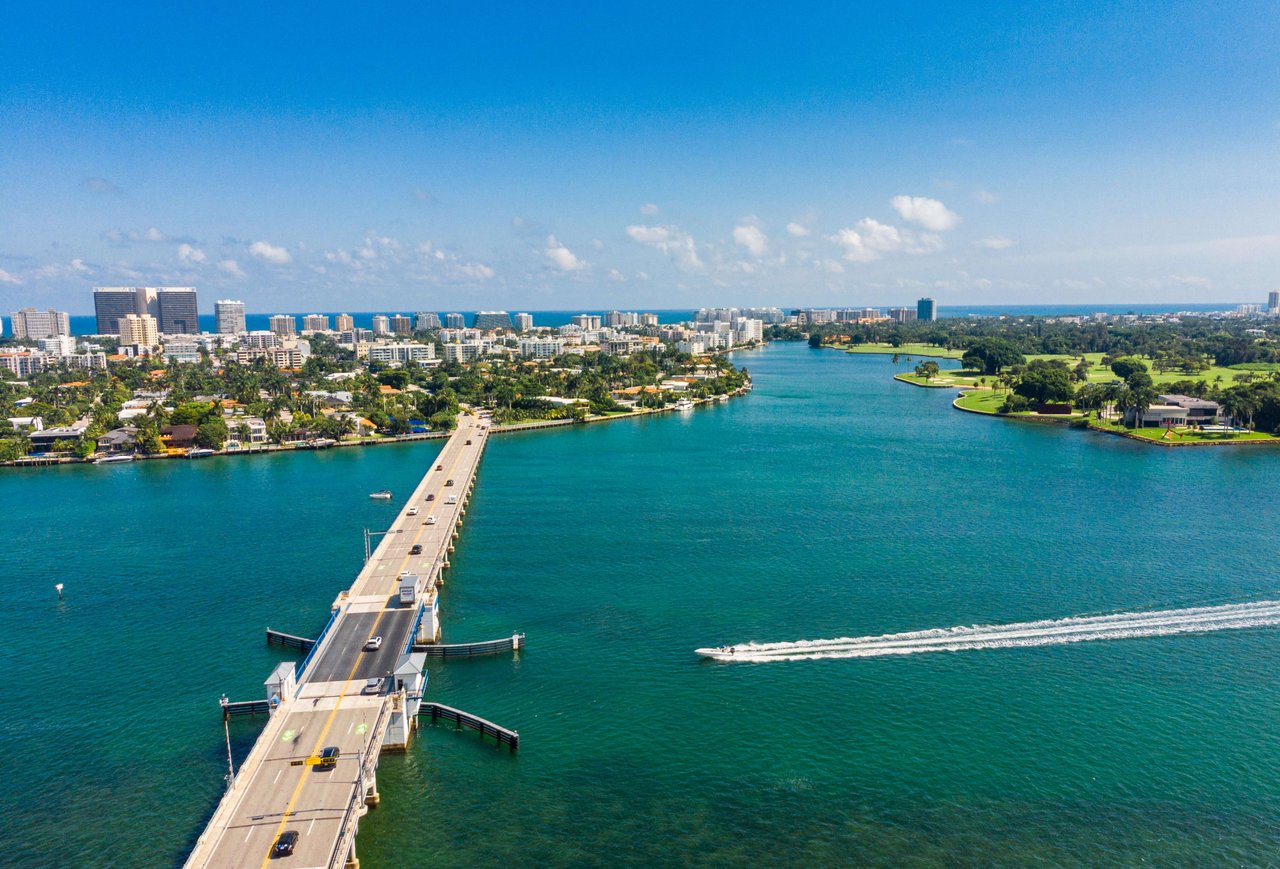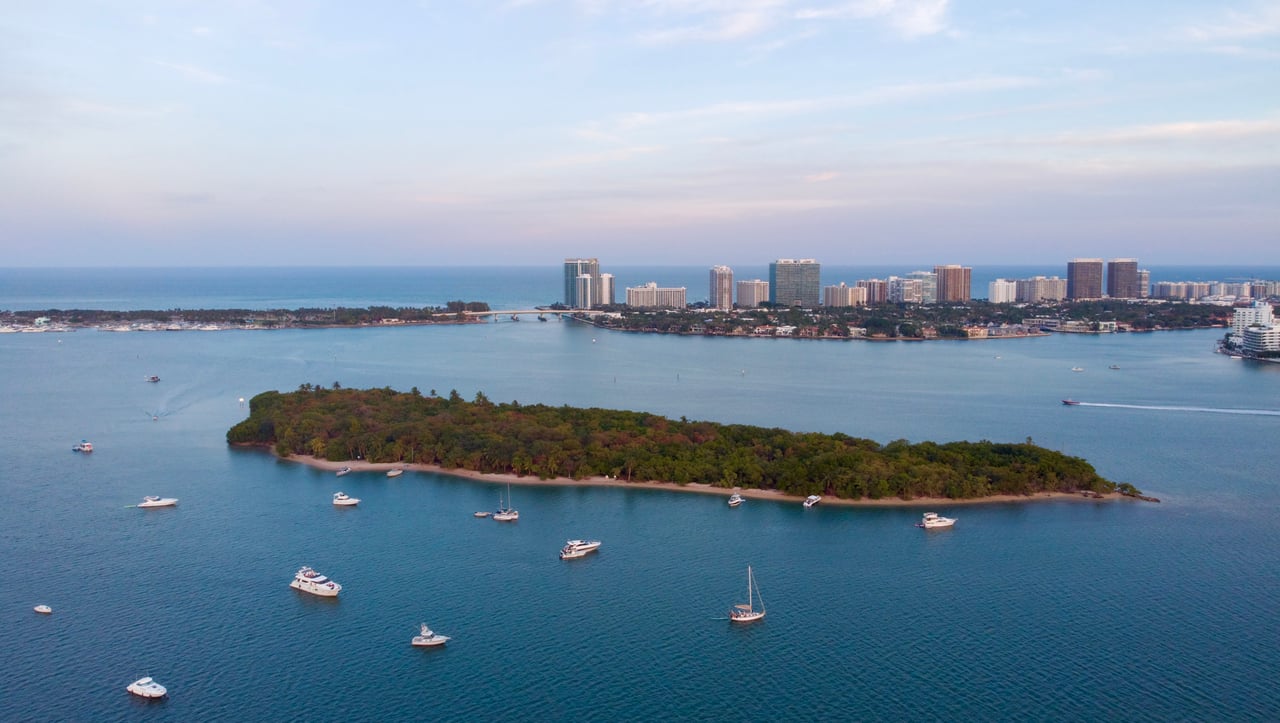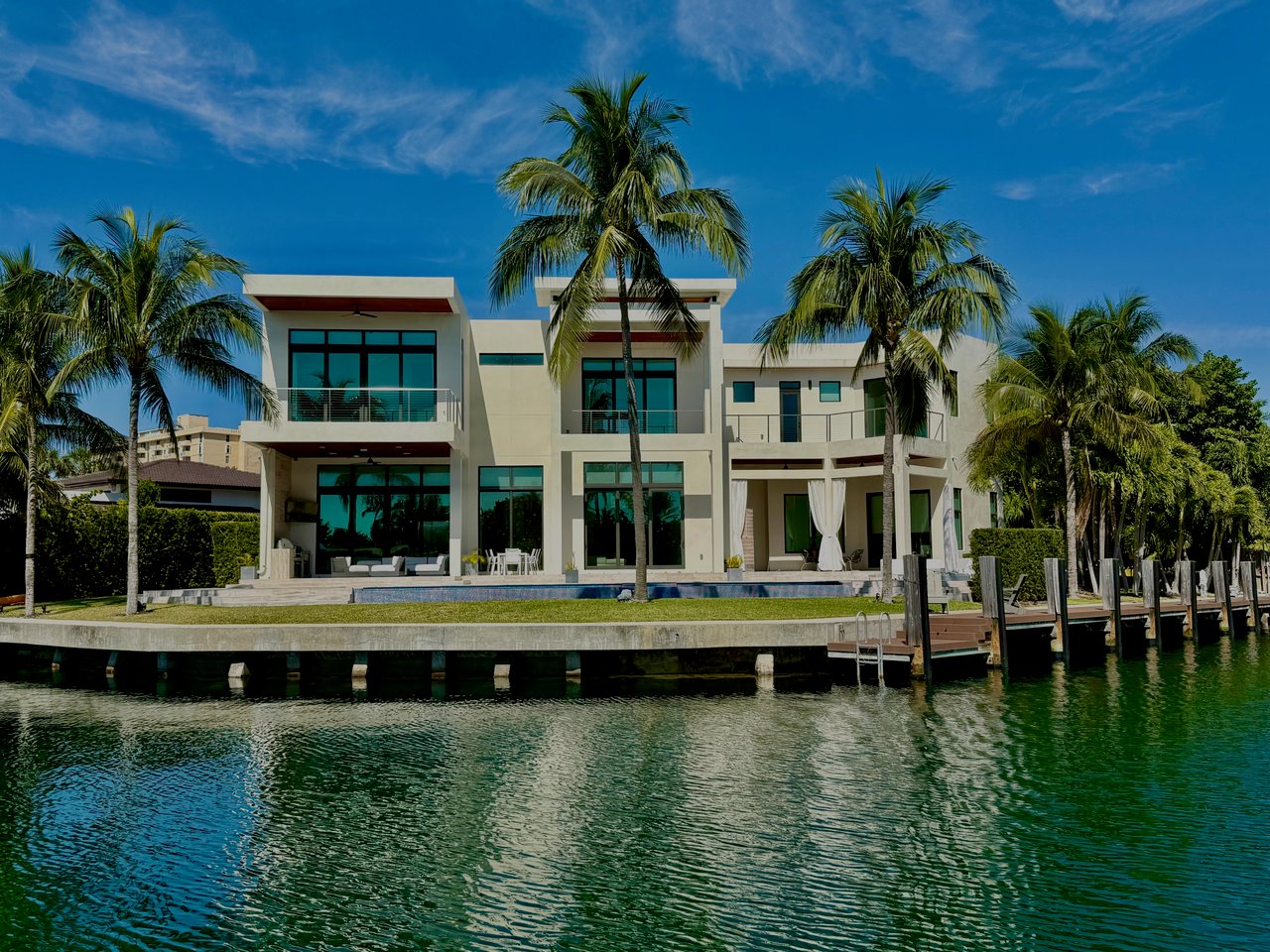
In Parts 1 through 3, we talked about The Golden Cage—why long-time waterfront homeowners in Bay Harbor Islands, Keystone, and Eastern Shores feel stuck. But for many owners, the biggest issue isn't just finding a new place. It’s dealing with huge tax bills, bad timing, and sitting on a house that no longer fits their lifestyle.
A traditional listing isn't your only path out. Tailored, advanced deal structures allow you to trade property management for liquid control—on your exact timeline.
Three Key Takeaways
- Seller Financing Spreads the Tax Liability: Free-and-clear owners can convert real estate into a high-yield, first-mortgage income stream while spreading capital gains recognition over multiple years.
- Capitalized Owners Can Solo-Rebuild: If you have liquid reserves, funding a redevelopment yourself retains 100% of developer margins and yields a premium new-construction asset—without partner risk.
- 1031 Exchanges Can Be Truly Passive: You don't have to buy another single-family home; structured passive assets like Delaware Statutory Trusts (DSTs) or NNN commercial properties allow total tax deferral with zero landlord obligations.
1. Seller Financing: The Capital Gains & Income Shield
For long-term owners holding their homes free and clear, a lump-sum cash sale often triggers an immediate, substantial capital gains tax obligation.
The Play: Structure an Installment Sale (Seller Financing). Instead of taking all cash upfront, you act as the lender. The buyer provides a substantial non-refundable down payment (typically 20% to 30%), and you hold a first mortgage note secured directly by your land.
- Tax Management: Spreading the gain over a 5-, 10-, or 15-year term allows you to recognize revenue over time rather than absorbing a massive single-year tax spike.
- Passive Yield: You earn a competitive, fixed interest rate secured by real estate you know intimately.
- Risk Control: In the event of a buyer default, you retain the down payment, keep any site improvements made, and reclaim the asset through foreclosure.
2. The Rebuild Offramp: Developer JV vs. Self-Funded Redevelopment
When an aging home sits on a prime $3M+ deep-water lot, selling as-is often leaves significant margin on the table for a third-party investor. Converting obsolete dirt into modern, high-value inventory requires evaluating your capital strength:
Scenario A: The Capitalized Solo-Rebuild (Maximum Control & Margin)
If you have the financial liquidity and timeline flexibility to fund architectural design, permitting, and ground-up construction yourself, you do not need to share profits with a partner. You retain total authority over design standards, maintain 100% equity control, and absorb the full developer margin upon completion—whether you choose to sell as brand-new luxury inventory or hold it as a high-yielding, depreciable asset.
Scenario B: The Developer Equity Joint Venture (Risk Mitigation)
For owners who prefer not to deploy personal capital or manage contractors, partnering with a vetted custom builder can be an effective alternative. The owner contributes the land equity to an LLC, while the developer secures construction debt and manages execution. Upon sale, the owner receives their baseline land valuation plus a contractually defined percentage of the project's net profit.
3. The Passive 1031 Exchange: Waterfront Second Homes & NNN Swaps
A common misconception among legacy owners holding a waterfront second home is that the property must be a 100% full-time, year-round rental to qualify for a tax-deferred 1031 Exchange.
Under IRS safe harbor guidelines, a seasonal or leased waterfront second home can be exchanged tax-free into institutional Single-Tenant Triple-Net (NNN) Commercial Properties—like a long-term leased Walgreens, CVS, or bank facility—provided the property meets baseline rental criteria prior to sale.
The NNN Swap Outcome:
Instead of managing a $4.5M waterfront residential asset prone to sea-level wear and seasonal vacancies, you execute a 1031 Exchange into a $4.5M commercial asset. The corporate tenant pays property taxes, building insurance, and structural repairs, while you receive steady, hands-off monthly distributions—all while deferring 100% of capital gains taxes.
💡 Deep-Water Intelligence: The IRS Safe Harbor Rule
How Waterfront Second Homes Qualify (IRS Rev. Proc. 2008-16):
To qualify a waterfront second home for a 1031 Exchange without IRS challenge, the owner must meet specific criteria over the 24 months preceding the sale:
- Fair Market Rental: The home must be rented at market rates for at least 14 days per year (e.g., leased out for 6 months / 180 days).
- Personal Use Cap: Personal family occupancy cannot exceed the greater of 14 days or 10% of total days rented (e.g., up to 18 personal vacation days on a 180-day rental).
- The Maintenance Exemption: Days spent on-site primarily performing necessary repairs, seawall inspections, or seasonal maintenance do not count toward your personal use limit, allowing owners up to 12+ additional maintenance days on-site while remaining fully tax-compliant.
Important Disclosure & Disclaimer:
The strategies outlined above are for informational and conceptual real estate structuring purposes only and do not constitute formal legal, tax, or financial advice. Tax codes, installment sale rules, and 1031 Exchange qualifications are complex and highly dependent on individual circumstances. Property owners must consult with their own licensed Certified Public Accountant (CPA), tax attorney, and qualified intermediary before executing any of these structures.
The North Miami Deep-Water Intelligence Series
- Part 1: The Golden Cage (The Friction) — Published June 26, 2026
- Part 2: The Standoff on the Canal (The Hard Math) — Published July 3, 2026
- Part 3: The Waterfront Offramp (The Tactical Options) — Published July 30, 2026
- Part 4: The Creative Offramp (Creative Exit Strategies) — Active Above
Let’s Navigate the Future of Your Asset Together
Whether you are assessing your lifestyle options, analyzing a potential rebuild, or evaluating custom deal structures for a waterfront family estate in Eastern Shores, Keystone, or Bay Harbor Islands, contact Captain Ross today for a confidential review.
Phone: (305) 788-1220
Email:[email protected]
Web:rossmilroygroup.com