Thinking about a Coconut Grove waterfront home and wondering whether riprap or a seawall is the smarter choice? As a boater or seller, you want protection that looks great, works with your dock, and holds value over time. You also need to understand local rules, shallow water, and how sea level rise changes the calculus. In this guide, you will learn how each option performs in Biscayne Bay, what it means for docking and maintenance, and the due diligence that keeps your investment safe. Let’s dive in.
Coconut Grove shoreline context
Coconut Grove sits on Biscayne Bay, where wind and wave energy is generally low to moderate. The bigger stressors are boat wakes, tidal currents, king tides, and occasional storm surge from tropical systems. Many lots have shallow nearshore depths with seagrass beds and a mangrove fringe.
That mix shapes what works on your property. A sloped solution can encroach into navigable water if the bottom shoals too quickly. A vertical wall may be preferred where you need deeper water right at the dock. Sea level rise in Southeast Florida is another important factor, since higher water levels shorten useful life and increase maintenance needs for both approaches.
What a seawall is
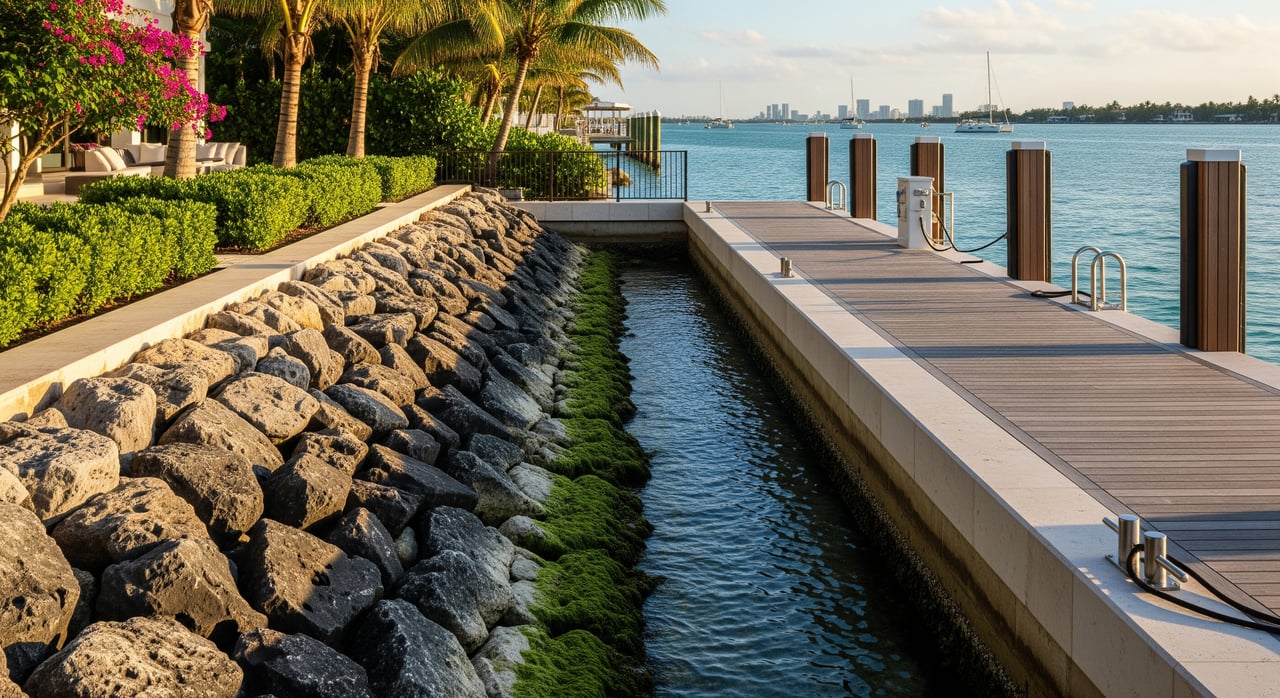
A seawall is a vertical or near‑vertical structure that holds back soil and protects upland areas from erosion. Common materials include concrete, precast panels, or sheet piles. Many docks, ladders, and marina features tie directly to seawalls.
Seawalls preserve a clean edge and make access simple. Their vulnerabilities include toe scouring, internal piping, corrosion for metals, and deterioration at joints and caps over time. With proper engineering and care, they can offer multi‑decade protection, but periodic repairs and reinforcement are common.
What riprap is
Riprap is a sloped layer of graded rock placed over filter fabric with toe protection. Instead of reflecting wave energy, it absorbs and dissipates it. The slope and roughness often create a more natural look.
Riprap is flexible and can tolerate some settlement. Its weak spots are toe erosion and rock displacement during strong events. It only works where you have enough space and depth for the slope without pushing too far into the waterway.
Living shoreline options
Living shorelines use natural elements such as mangroves, marsh plants, oyster features, and biodegradable materials. In Coconut Grove, they may be encouraged where wave energy is moderate and space allows. A hybrid that pairs smaller rock with plantings can deliver stability and habitat benefits, though it is not viable for every parcel or boating setup.
Boating and docking tradeoffs
If you are a boat owner, docking is a major difference between the two.
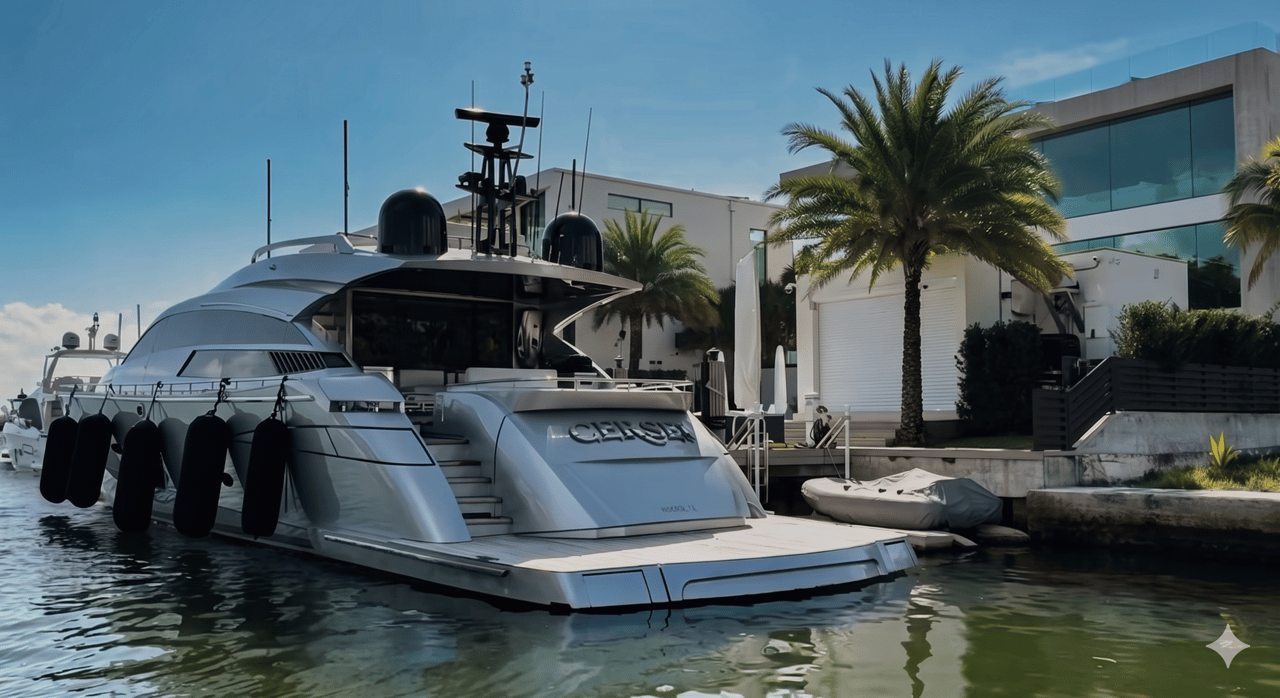
- Seawalls often allow deeper water right at the edge, easier mooring lines and fendering, and straightforward integration with fixed docks or ladders.
- Riprap can reduce reflected wake energy, but rocks that extend into the water can be a hazard to propellers and can make close docking or trimming harder. Steeper rock slopes reduce usable depth next to the shoreline, which can be challenging for deeper‑draft vessels.
Buyers who prioritize frequent docking and quick boarding often lean toward seawalls. Buyers who prefer a softer shoreline and some wave attenuation may favor riprap or a hybrid where conditions allow.
Costs and lifecycle thinking
Initial costs per linear foot are often higher for engineered vertical seawalls than for simple riprap when site conditions favor riprap. That said, if riprap needs a wide footprint, extensive toe protection, or mitigation for seagrass impacts, the difference can narrow or reverse.
Your long‑term costs depend on storm history, maintenance access, and how you will adapt to sea level rise. Raising a seawall is a defined upgrade if permitted and engineered correctly. Adapting riprap may require regrading, additional armor, or conversion to a hybrid approach. Avoid rule‑of‑thumb pricing. Site‑specific engineering and permitting will drive the real number.
Environmental effects to consider
Seawalls typically reflect wave energy, which can increase local scour and lead to loss of nearshore sediment and seagrass. They provide limited habitat complexity. Riprap dissipates energy and creates crevices that support small organisms and fish, though construction can still damage seagrass and smother habitat if not managed carefully.
In parts of Biscayne Bay, living shorelines or hybrids can improve habitat and water quality while stabilizing the bank. Agencies increasingly ask applicants to evaluate these alternatives when feasible.
Permits and approvals in Coconut Grove
Shoreline work that affects submerged lands usually requires state, federal, and county approvals. Expect to coordinate with the Florida Department of Environmental Protection, the U.S. Army Corps of Engineers, and Miami‑Dade County. Biscayne Bay’s aquatic preserve status and local mangrove protections can add review steps.
Most projects require pre‑construction surveys, including seagrass mapping and defining the mangrove line. You will likely need to demonstrate need, consider less damaging alternatives, and address mitigation if there are habitat impacts. Timelines and thresholds vary by parcel, so engage qualified professionals early.
Buyer checklist for Coconut Grove
Use this list to evaluate any waterfront home:
- Permit history and as‑built drawings for the seawall or riprap, and any dock structures
- Maintenance and repair records, with contractor names and any warranty details
- Recent structural inspection by a coastal or marine engineer, including toe and subsurface checks
- Bathymetric soundings near the property to confirm usable depths and rock or footing locations
- Confirmation of any encroachments onto sovereign submerged lands or need for leases
- Documentation of environmental mitigation, monitoring requirements, or open conditions
- Insurance and flood program context, including how shore protection relates to insurability
- Neighborhood shoreline types, since adjacent treatments can influence wave and sediment behavior
Seller preparation and disclosure
Coconut Grove buyers expect complete files. Provide permits, as‑builts, invoices, and any environmental studies up front. Disclose known issues, past failures or repairs, and any open or expired permits.
If you have recurring problems like toe scour or settlement, get a marine engineer’s opinion and share it, including estimated remedies. Be prepared to explain how your shoreline can adapt to higher water, and whether prior work included features that support future upgrades.
Choosing what fits your lot
The right answer depends on site conditions and lifestyle goals. Consider:
- Bathymetry and slope, especially usable depth at the edge for your intended vessel
- Space for a sloped section if you are considering riprap or a hybrid
- Dock integration and boarding comfort for daily boating
- Environmental resources on or near your lot, including seagrass and mangroves
- Neighborhood context and how your choice interacts with adjacent shorelines
- Long‑term adaptability to sea level rise and your maintenance tolerance
A professional assessment will identify what is feasible without compromising navigation, habitat, or neighboring properties.
When to bring in specialists
Bring in a coastal or marine engineer to assess condition, design replacements, and evaluate adaptability. An environmental or permitting consultant can guide seagrass and mangrove assessments and coordinate applications. A licensed marine contractor provides construction methods and realistic timelines. If encroachments or historical compliance questions arise, consult a real estate attorney.
The bottom line
Seawalls and riprap each work in Coconut Grove, but they solve different problems. Seawalls usually support frequent docking and preserve upland grade. Riprap and living shorelines can soften wave energy and add habitat, but they need room and careful design. In every case, permits, site‑specific engineering, and complete records drive both day‑one enjoyment and resale value.
If you want help weighing your options through a waterfront lens, schedule a Dock‑to‑Doorstep conversation with Ross Milroy. We will help you align your shoreline, dockage, and lifestyle so your Biscayne Bay home works from dock to doorstep.
FAQs
What is better for docking in Coconut Grove?
- A vertical seawall typically provides deeper water right at the edge and simpler mooring, while riprap can reduce usable depth near the shoreline and complicate close‑in docking.
Do I need permits to repair my seawall or riprap?
- Work that affects submerged lands or shoreline structures usually requires approvals from state, federal, and county agencies, often with surveys and mitigation plans.
How does sea level rise impact shoreline choices?
- Rising water increases loading and shortens service life for both approaches; seawalls can often be raised, while riprap may require regrading, added armor, or hybrid upgrades.
Can riprap damage seagrass in Biscayne Bay?
- Construction and placement can disturb or smother seagrass if not designed and staged carefully, which is why surveys and mitigation are common permit conditions.
What inspections should I order before buying a waterfront home?
- Get a marine engineer’s structural inspection, bathymetric soundings for depth and obstructions, and full permit and maintenance records for the shoreline and dock.
Are living shorelines allowed in Biscayne Bay?
- They are encouraged in suitable locations with moderate energy and space, but feasibility depends on parcel conditions and permitting reviews for habitat and navigation.