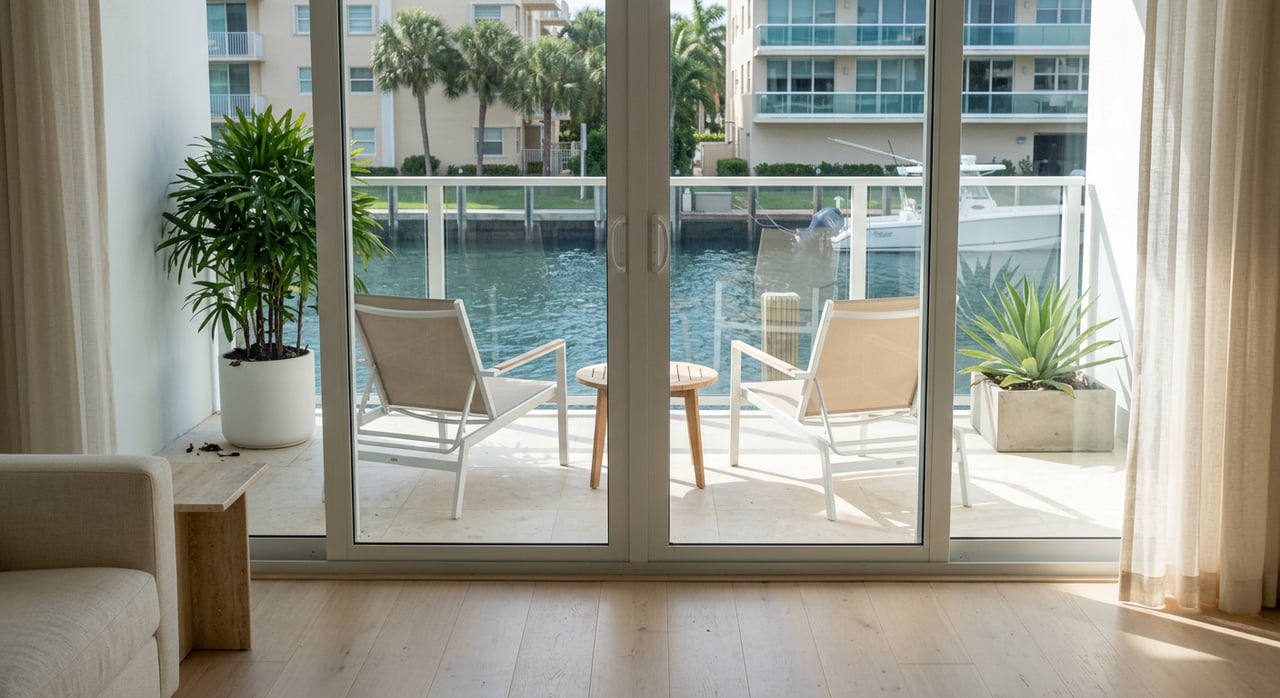
Do you picture mornings on a quiet bayfront with coffee in hand, or a staffed oceanfront tower with beach chairs waiting? In 33154, Bay Harbor Islands and Bal Harbour offer two distinct condo lifestyles just a bridge apart. As of early 2026, prices, amenities, walkability, and short-term rental rules vary in ways that can shape your experience and your numbers. In this guide, you’ll see how each area lives day to day, what it tends to cost, and what to verify before you buy. Let’s dive in.
Quick snapshot: price, vibe, amenities
As of January 2026, median condo sale prices highlight a clear spread. Bal Harbour’s median sits near 1.4 million dollars (Jan 2026), while Bay Harbor Islands’ median is around 755,000 dollars (Dec 2025). These are small-sample neighborhoods, so medians can swing with just a few closings. Still, the gap reflects the product mix you’ll find on the ground.
- Bal Harbour: Most inventory is full-service, oceanfront towers with high-touch staffing and expansive amenities. Think concierge, valet, spa-level fitness, beach service, and showpiece lobbies. Those services usually translate to higher HOA assessments and carrying costs.
- Bay Harbor Islands: The landscape skews boutique and mid-rise, with a more residential, village feel. Amenity sets are often modest, like a pool and fitness room, with select bayfront buildings offering docks or slips. Entry prices are lower on average than oceanfront Bal Harbour towers.
Bottom line: If you want resort-style services and direct ocean access, Bal Harbour is designed for that. If you value a quieter setting, boutique buildings, and potential boat access, Bay Harbor Islands may fit better.
Walkability and daily life
Bay Harbor Islands is compact and easy to navigate on foot. The town registers a Very Walkable score of 78 on Walk Score, thanks to the Kane Concourse corridor’s cafés, markets, and services. You can check the score and see what’s nearby on the official Bay Harbor Islands Walk Score page.
Bal Harbour is also pedestrian-friendly around the beachfront and the Shops, but daily errands often involve a car because many homes are in vertical towers. Bal Harbour Shops continues to evolve with active expansion work, and the Village posts updates on construction and access. You can review current notices on the Bal Harbour Shops expansion update page.
If strolling to cafés is part of your routine, Bay Harbor Islands often feels more neighborhood-centric. If your day revolves around the beach, luxury retail, and on-site services, Bal Harbour concentrates those experiences.
Beach, bay, and boating access
- Bal Harbour beach access: The Village manages beach access and infrastructure, including a 102nd Street beach access path with resident FOB controls. If you plan to use beach services from your building, confirm your building’s rules and what your HOA covers. Learn more about access policies on the 102nd Street beach access page.
- Bayfront living and boat slips: In Bay Harbor Islands, select waterfront condos include deeded or rentable slips. Availability is building-specific and can be limited, so verify deed language, slip length, and fees early in your search.
- Public marina option: For larger vessels or when a dedicated slip is not available, Bill Bird Marina at Haulover Park sits just north on Collins Avenue, with wet slips and Haulover Inlet access to the ocean. Review services and slip information at the county’s Bill Bird Marina page.
If boating is a priority, Bay Harbor’s bayside buildings and proximity to Haulover’s inlet appeal to owner-operators. If being steps to a serviced beach is the dream, Bal Harbour’s oceanfront towers deliver that experience.
Carrying costs and insurance cues
In full-service Bal Harbour towers, expect HOA assessments that reflect staffing and amenity footprints. It is common to see monthly assessments in the mid-thousands for larger units. In Bay Harbor Islands, many boutique buildings have leaner amenity sets and more modest monthly assessments, though costs vary widely by building, size, and reserves.
Because both communities are coastal, you should factor flood and insurance considerations into your budget. Ask for the current flood elevation certificate and check the FEMA zone for any property you are considering. Bay Harbor Islands publishes helpful guidance on flood protection and preparedness; you can review it on the Town’s Flood Protection page.
Which buyer fits where
- You may fit Bal Harbour if you want ocean views, white-glove services, and a resort-style lifestyle anchored by luxury retail and dining. The tradeoff is higher purchase prices and HOA costs, with rules and staffing that keep the experience turnkey.
- You may fit Bay Harbor Islands if you want a quieter, boutique feel and to walk to local cafés and services along Kane Concourse. If you’re a boater, select buildings with slips can be a major advantage. Entry pricing is lower on average than oceanfront towers, with a neighborhood pace.
Both markets attract second-home buyers and investors, but the details matter. Short-term rental rules are tight in many buildings, and village-level permits are required if you plan any vacation rental activity. Read on for what to know.
Short-term rentals: what to know in 33154
Short-term rentals are regulated at two levels: the village and your condo association. Municipal approval does not override building bylaws. Start with your building’s rules, then handle village registrations.
Bay Harbor Islands steps:
- Confirm the condo’s rental policy and obtain written consent from the association when required.
- Apply for the Town’s Business Tax Receipt and Vacation Rental License. The official packet outlines documentation, inspections, and fees. As listed in the Town form, examples of current fees include a 25 dollar processing fee, a 500 dollar license fee, and a 750 dollar registration fee per unit. The Town conducts life-safety and building inspections before issuing the license. Review the requirements in the Town’s Vacation Rental License application packet.
- Register with the State of Florida and Miami-Dade County for applicable sales and tourist taxes, and keep copies of registrations for the Town file.
Bal Harbour steps:
- Confirm the condo association’s rental policy. Many luxury towers set minimum lease terms or limit frequency.
- Register as a resort tax operator with the Village, since Bal Harbour applies a 4 percent resort tax to room rentals. You must register and remit returns as directed by the Finance Department. Details and forms are on the Village’s Resort Tax Registration page.
- Obtain the required Village vacation rental certificate or permit before hosting. Contact the Village Clerk or Building Department for current application procedures and timing. Plan ahead and apply well before your first booking window.
Tax note: Platforms may collect some taxes in certain jurisdictions, but owners remain responsible for full compliance. Factor state sales tax, county tourist taxes, and the Village’s resort tax into your revenue model. For baseline STR performance data, you can study third-party analytics such as Bay Harbor Islands STR revenue snapshots, then refine with building-specific rules and your pricing assumptions.
How to decide: a buyer’s checklist
Use this quick list to compare any two buildings you are considering across Bay Harbor Islands and Bal Harbour.
- Rental policy: Obtain the condo declaration, latest amendments, and house rules. Note minimum lease lengths, caps on rentals per year, and any registration steps with the HOA.
- Village licensing: For Bay Harbor Islands, read the Town’s Vacation Rental License packet and confirm fees and inspection steps. For Bal Harbour, review resort tax registration, expected vacation rental certificate, and monthly reporting requirements.
- HOA financials: Request the current budget, reserve study, and recent board minutes to spot special assessments or planned capital projects.
- Insurance and flood: Ask for the unit’s flood elevation certificate and confirm the FEMA zone. Review the Town’s flood guidance for Bay Harbor Islands to understand mitigation and coverage expectations.
- Parking and storage: Confirm deeded spaces, guest parking rules, and storage. If a boat slip is advertised, verify whether it is deeded, leased, or subject to association approval and what length it supports.
- Boating access: If you plan to keep a vessel nearby, pencil in slip fees or consider the availability of public marina space at Haulover’s Bill Bird Marina.
- Net yield modeling: If you plan to rent, build a pro forma that includes HOA, village and state taxes, utility setup, cleanings, management, and realistic occupancy. Luxury towers can support premium rates but also carry higher costs.
Ready to tour the right buildings?
Choosing between Bay Harbor Islands and Bal Harbour comes down to how you live and what you value. If you want a staffed oceanfront experience near luxury retail, Bal Harbour shines. If you want a village vibe with boutique buildings, strong walkability, and the potential to keep your boat close, Bay Harbor Islands delivers.
You do not have to navigate the details alone. From slip verification and flood certificates to HOA budgets and rental rules, our team can streamline the process and line up the right options. Book a Dock-to-Doorstep Consultation with Ross Milroy to compare buildings, run STR feasibility, and tour by land and water.
FAQs
What are typical condo prices in early 2026 for Bay Harbor Islands vs Bal Harbour?
- As of early 2026, Bal Harbour’s median sale price is about 1.4 million dollars (Jan 2026) and Bay Harbor Islands’ median is around 755,000 dollars (Dec 2025), with small neighborhood samples that can shift quickly.
How walkable is Bay Harbor Islands compared to Bal Harbour?
- Bay Harbor Islands is rated Very Walkable with a Walk Score of 78, while Bal Harbour is pedestrian-friendly near the beach and Shops but more tower-oriented for daily errands.
How does beach access work in Bal Harbour, and what should owners know?
- The Village manages access, including a 102nd Street entry with resident FOBs; confirm your building’s beach service details and review the Village’s beach access guidance.
Where can I dock a boat if my condo does not include a slip?
- You can inquire about public wet slips at Bill Bird Marina in Haulover Park, which offers bay-to-ocean access via Haulover Inlet; details are on the county’s marina page.
What permits and taxes are required for short-term rentals in Bay Harbor Islands and Bal Harbour?
- Bay Harbor Islands requires the Town’s Vacation Rental License with inspections and fees, while Bal Harbour requires resort tax registration (4 percent) and a village vacation rental certificate; always confirm your building’s rental rules first and see the Village resort tax page and the Town’s license packet.