If you are looking for a Miami-area condo investment that feels more curated than crowded, Bay Harbor Islands deserves a closer look. This small waterfront town offers a rare mix of limited inventory, boating and beach access, and boutique-scale buildings that appeal to both second-home buyers and investors. The opportunity here is real, but so is the need for careful diligence. Let’s dive in.
Why Bay Harbor Islands Stands Out
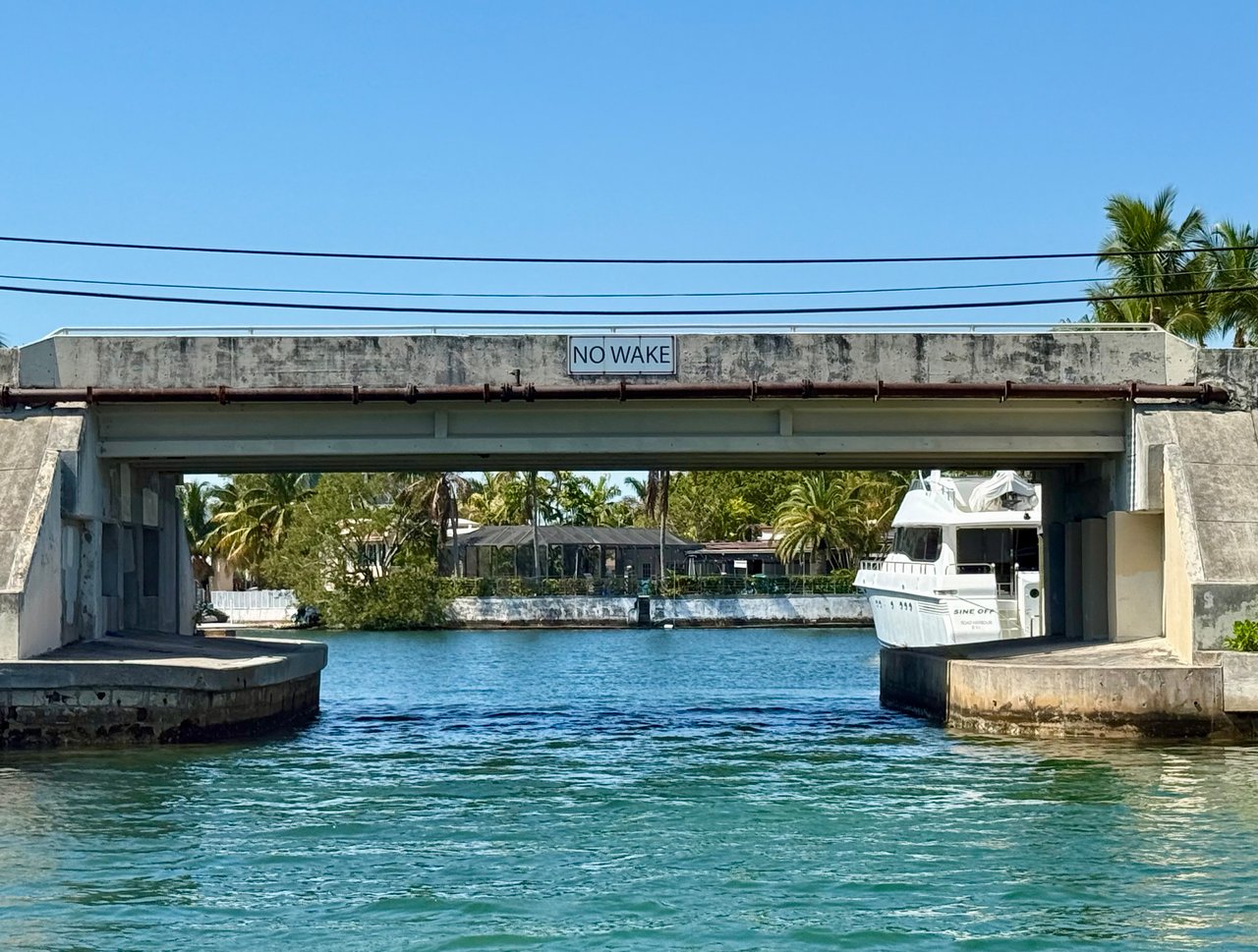
Bay Harbor Islands is not a large condo district with block after block of towers. It is a compact waterfront town made up of two small islands, with a modest business district along Kane Concourse and convenient access via Broad Causeway to surrounding parts of Miami-Dade County.
That small footprint helps define the investment story. When buyers shop here, they are often looking for privacy, water views, waterfront access, and a more residential island setting rather than a high-density resort environment. For many investors, that limited scale is part of the appeal.
The lifestyle surrounding Bay Harbor Islands also adds to rental and resale demand. Nearby amenities include beach access in Bal Harbour and the large coastal recreation offering at Haulover Beach Park, which includes marina services and 152 wet slips at Bill Bird Marina. If you are targeting buyers or renters who value both beach time and boating access, that nearby amenity mix matters.
What Makes a Condo Here "Boutique"
In Bay Harbor Islands, the word boutique is not just marketing language. Local development notices show that new condo and multi-family projects can be very small, including proposals with as few as 7 units and others with 18 units.
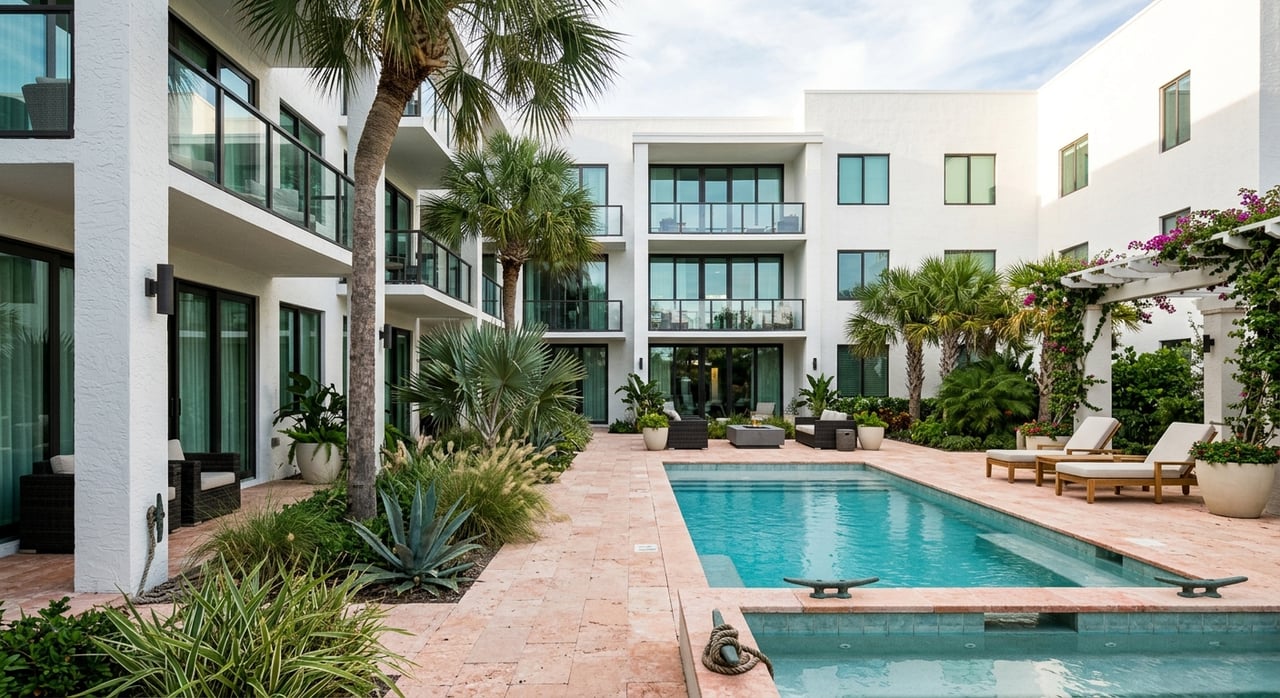
That smaller scale carries into current development patterns. Recent projects in the area include residences with limited unit counts, private boat slips, rooftop amenities, private elevator entries, fitness spaces, front desk or valet services, and on-site property management.
Typical Boutique Features
Instead of oversized resort campuses, boutique condos here often focus on a more selective amenity package:
- Private boat slips or marina access
- Rooftop leisure decks and pools
- Fitness and wellness spaces
- Concierge, front desk, or valet services
- Privacy-oriented layouts and circulation
- Smaller resident populations
For investors, this can be a meaningful differentiator. A building with fewer units, stronger privacy, and waterfront-oriented amenities may stand out in a competitive luxury condo market.
Why Scarcity Matters for Investors
One of the clearest reasons investors look at Bay Harbor Islands is scarcity. The town covers less than half a square mile, which naturally limits how much new product can come to market.
That does not guarantee performance, of course. Still, in a small island setting with strong surrounding amenities, a limited supply of boutique residences can support interest from second-home buyers and purchasers who want a more intimate building experience.
For an investor, this means the value proposition is often tied to more than finishes alone. You are also buying into location constraints, waterfront positioning, and a lifestyle story that can be difficult to replicate elsewhere.
The Real Investor Filter: Building Health
In Bay Harbor Islands, a pretty view should never be your first filter. The more important question is whether the building and association are financially and structurally sound.
Florida requires residential condominium associations with buildings that are three or more habitable stories high to complete a Structural Integrity Reserve Study, or SIRS, at least every 10 years after the condominium’s creation. According to the Florida Department of Business and Professional Regulation, that study covers eight key structural elements and must be submitted electronically within 45 days of completion.
Miami-Dade County adds another layer through its building recertification program. Coastal condo and co-op buildings three stories or taller built on or after 1998 must be recertified at 25 years and then every 10 years after that. Other qualifying buildings built on or after 1993 must be recertified at 30 years and then every 10 years.
Why This Matters in Practice
These rules shape how you should evaluate condo inventory in Bay Harbor Islands. Older buildings may be closer to major repairs, reserve increases, or special assessments. Mid-1990s and early-2000s buildings may already be in the current recertification cycle.
Even newer buildings are not automatically low-risk. They still require disciplined reserve planning, proper maintenance, and careful review of the association’s records.
Waterfront Conditions Add Another Layer
Bay Harbor Islands sits completely within a special flood hazard area and is surrounded by Biscayne Bay. That means investors should think beyond the standard condo checklist.
In waterfront buildings, you also want to understand permit history, maintenance practices, and whether any prior alterations were properly approved. Miami-Dade recertification guidance specifically calls out issues such as façade components, parking-lot illumination, guardrails adjacent to water, and review of permit history and unpermitted work.
This is where a waterfront specialist can add real value. In a market shaped by water access, floodplain conditions, and marine infrastructure, technical questions often matter just as much as finishes and floor plans.
Documents You Should Review Before You Buy
If you are considering a boutique condo in Bay Harbor Islands, your diligence package should be thorough. The goal is to understand both your ownership rights and the building’s current condition.
Core Documents to Request
- Declaration of condominium
- Bylaws and current rules
- Annual budgets
- Reserve schedule
- Latest SIRS
- Milestone or recertification reports
- Association meeting minutes
- Insurance documents
- Records of special assessments
- Records of major repairs or capital projects
According to DBPR guidance, official association records include items such as plans, permits, warranties, the declaration, bylaws, minutes, and owner rosters. Inspection reports and reserve studies should also be part of the official record and available to prospective purchasers.
Bay Harbor Islands also requires condominium and similar community associations to register with the town and provide contact information, officer and director details, insurance-agent information, and common-area permit posting information. That local layer can help you verify how organized and current an association appears to be.
Rental Rules Are Not a Guessing Game
One of the biggest mistakes investors make is assuming that a condo can be rented the way they want. In Bay Harbor Islands, that can be a costly assumption.
The town has its own vacation-rental ordinance. It defines a vacation rental as a condo, co-op unit, or house rented more than three times in a calendar year for periods of less than 30 days or one calendar month, whichever is less, or advertised as regularly rented to the public.
Operating that kind of use without registration and a business tax receipt is unlawful under the local ordinance. The rules also require a 24/7 responsible party, initial and annual inspections, and written notice to and consent from the condominium, cooperative, or building management.
Condo Documents Still Control Key Rights
Florida law adds another important piece. Under Chapter 718, amendments that prohibit rentals, change rental duration, or limit rental frequency apply only to owners who consent and to owners who take title after the amendment becomes effective.
That means there is no one-size-fits-all answer for rental flexibility in Bay Harbor Islands. You need to verify the declaration, bylaws, rules, amendments, and local registration requirements for the specific building and unit you are considering.
Best Questions to Ask Before You Make an Offer
A polished lobby and a rooftop pool can be attractive, but they should not distract you from the fundamentals. Before writing an offer, focus on a few questions that can shape both risk and future cash flow.
Smart Investor Questions
- Has the building already completed its initial Miami-Dade recertification?
- When is the next 10-year recertification cycle due?
- Has the association completed its latest SIRS?
- Do reserve contributions appear aligned with the reserve study?
- Are there active or recent special assessments?
- Do meeting minutes show deferred maintenance or major repair projects?
- Were past renovations and major work properly permitted?
- What do the condo documents actually allow for seasonal, annual, or short-term rentals?
These questions may not be glamorous, but they are often what separates a strong boutique condo investment from an expensive surprise.
How to Think About the Opportunity
The strongest case for Bay Harbor Islands boutique condos is not that they are simply stylish or new. It is that they sit at the intersection of scarcity, waterfront lifestyle, curated amenities, and limited-building scale.
For the right investor, that can be compelling. You may find a product type that appeals to second-home buyers, boating enthusiasts, and residents who prefer a smaller, more private building experience close to the beach and broader Miami waterfront amenities.
At the same time, this is not a market for casual assumptions. In Bay Harbor Islands, the smartest investors verify structural compliance, reserve health, permit history, insurance and repair records, and rental rights before they get attached to the view.
If you want help evaluating boutique condos through both a lifestyle and technical waterfront lens, Ross Milroy can help you think clearly from dock to doorstep.
FAQs
What makes Bay Harbor Islands condos attractive to investors?
- Bay Harbor Islands offers a small-island setting, limited condo supply, nearby beach and marina access, and boutique buildings that often emphasize privacy, rooftop amenities, and waterfront features.
What does "boutique condo" usually mean in Bay Harbor Islands?
- In Bay Harbor Islands, boutique condos often mean smaller buildings with limited unit counts and curated amenities such as private boat slips, rooftop decks, private elevator entries, fitness spaces, and concierge-style services.
What building documents should you review before buying a Bay Harbor Islands condo?
- You should review the declaration, bylaws, rules, budget, reserve schedule, latest SIRS, recertification reports, meeting minutes, insurance records, and any history of special assessments or major repairs.
How do Bay Harbor Islands vacation rental rules affect condo investors?
- The town requires registration, a business tax receipt, a responsible party, inspections, and written notice to and consent from the condominium or management for qualifying vacation-rental use, so you should confirm both local rules and building-specific restrictions.
Why is structural diligence so important for Bay Harbor Islands condos?
- Structural diligence matters because Florida reserve-study rules, Miami-Dade recertification requirements, waterfront exposure, floodplain conditions, and permit history can all affect future costs, maintenance obligations, and investment risk.